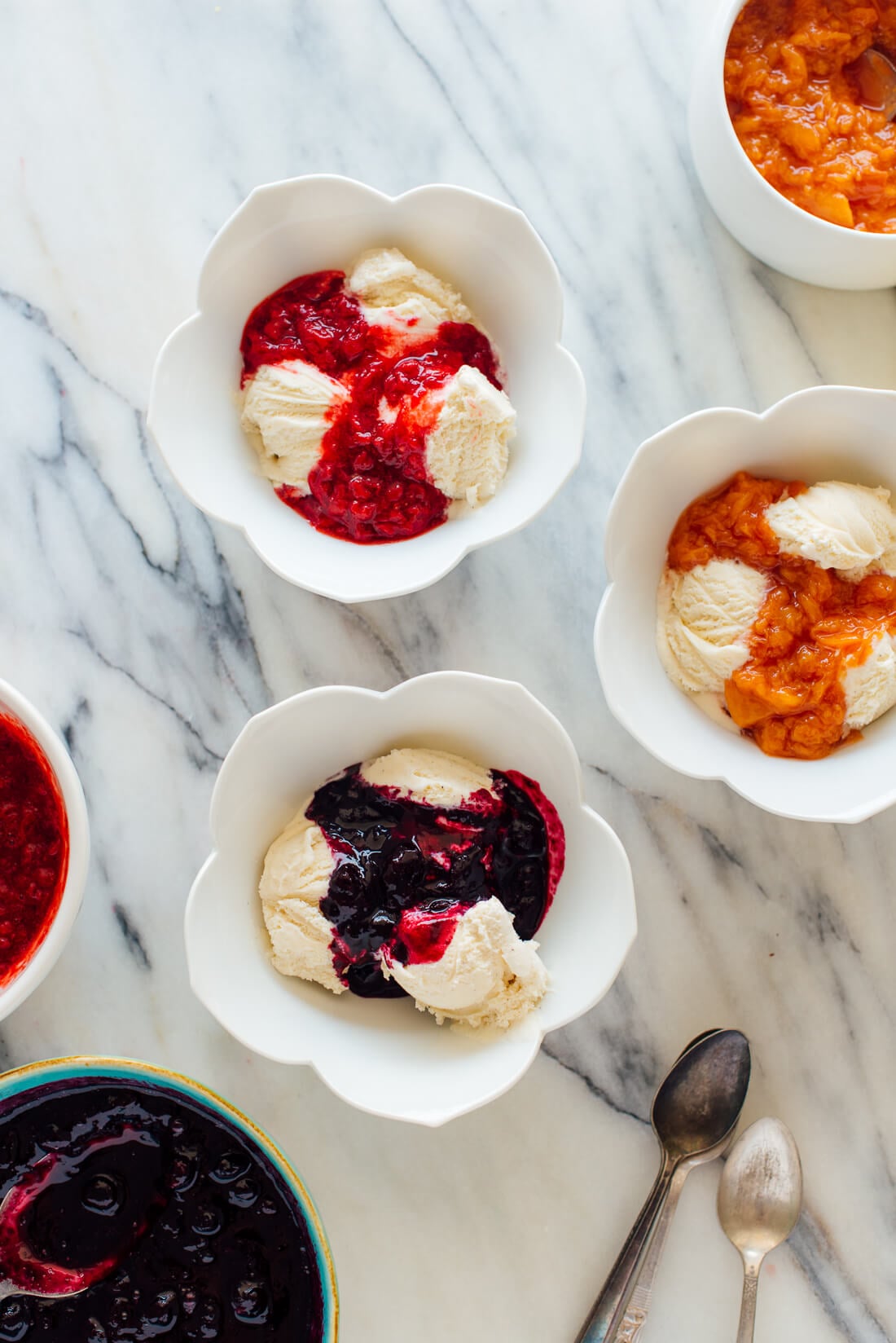
Imagine a spoonful of warm, glistening fruit, bursting with natural sweetness and a delicate hint of spice, melting delightfully in your mouth. This isn't a complex, time-consuming gourmet dessert; it's the sheer, comforting pleasure of homemade fruit compote. Forget elaborate recipes; this incredibly simple yet utterly delightful creation is pure, unadulterated fruity goodness, often ready in mere minutes!
For centuries, the charm of fruit compote has captivated palates across cultures. While its origins lie in practicality – a medieval method of preserving fruits before the advent of refrigeration – its enduring appeal stems from its incredible versatility, exquisite taste, and effortless preparation. Whether you're seeking a wholesome breakfast topping, a guilt-free dessert, or a flavorful accompaniment to your favorite yogurt or ice cream, fruit compote is a culinary chameleon that seamlessly adapts to any meal. Join us as we explore the simple steps to making delicious fruit compote and uncover a world of flavorful variations to tantalize your taste buds.
What is Fruit Compote? A Timeless Culinary Gem
At its core, fruit compote is a dessert of whole or pieces of fruit cooked gently in a sugar syrup. The term "compote" itself originates from the French word compôte, meaning "stewed fruit," and its roots trace back to medieval Europe. Derived from the Latin word compositus, meaning "mixture," it aptly describes this harmonious blend of fruits, sweeteners, and often, fragrant spices.
Historically, compotes were more than just a sweet treat; they were considered a symbol of abundance, often served to royalty and the wealthy. Medieval beliefs even held that fruit cooked in sugar syrup helped balance the body's humors, specifically mitigating the effects of humidity. These early versions were not only a delicious way to enjoy fruits but also a vital method for extending their shelf life. While our modern kitchens benefit from refrigeration, the tradition of savoring a warm, comforting fruit compote has gracefully endured. For a deeper dive into its rich past, explore Fruit Compote History: From Royal Treat to Modern Delight.
Today, the essence of fruit compote remains its simplicity. Unlike modern French usage where "compote" often refers to unsweetened fruit purée (like applesauce), the traditional fruit compote celebrates chunks of fruit suspended in a luscious, slightly thickened syrup. Its ease of preparation and dairy-free nature also made it a staple in Jewish households throughout Europe, highlighting its broad appeal and adaptability.
Why Everyone Loves Fruit Compote: Versatility & Flavor
The widespread adoration for homemade fruit compote isn't just a fleeting trend; it's a testament to its multifaceted charm. Its allure lies in a winning combination of remarkable versatility, captivating flavors, and undeniable convenience.
Unparalleled Versatility: From Breakfast to Dessert
- Any Fruit Goes: One of the most liberating aspects of compote is its flexibility regarding ingredients. You can use almost any fruit, whether fresh or frozen, ripe or even slightly overripe. This makes it a fantastic way to utilize produce that might otherwise go to waste. Berries (strawberries, blueberries, raspberries), stone fruits (peaches, plums, cherries, apricots), apples, pears, and even tropical fruits like mango or pineapple all make magnificent compotes.
- Breakfast Booster: Transform your morning routine by spooning warm compote over Greek yogurt, oatmeal, pancakes, waffles, or French toast. It adds natural sweetness, vibrant color, and a healthy dose of fruit to kickstart your day.
- Effortless Dessert: On its own, chilled or warm, fruit compote is a light and satisfying dessert. Elevate it further by serving it with a scoop of vanilla ice cream, a dollop of whipped cream, or alongside a slice of pound cake or cheesecake.
- Savory Pairings: While predominantly sweet, a less-sweet compote can beautifully complement savory dishes like roast pork or duck, offering a delightful counterpoint to rich meats.
- Baking & Beyond: Use it as a filling for tarts, crumbles, or even as a flavorful topping for cheesecakes. The possibilities truly are endless.
A Symphony of Flavor and Texture
The taste of fruit compote is simply divine – a harmonious blend of sweet and tart notes that dance on the palate. The cooking process tenderizes the fruit, creating a wonderfully soft and slightly jammy texture that is both comforting and indulgent. The gentle simmer allows the natural sugars of the fruit to meld with the added sweetener and spices, concentrating the flavors into a rich, aromatic experience. It's a simple dish that truly allows the natural goodness of fruit to shine.
Incredible Convenience: Ready When You Are
In our busy lives, convenience is key, and fruit compote delivers. It can be prepared in as little as 15 to 20 minutes from start to finish. You can easily make a batch ahead of time, store it in the refrigerator for up to a week, and then warm it up or serve it cold whenever inspiration strikes. This makes it an ideal choice for quick healthy breakfasts, impromptu desserts, or simply adding a touch of elegance and flavor to any meal without spending hours in the kitchen.
The Simple Steps to Making Perfect Fruit Compote
Making delicious fruit compote is a remarkably straightforward process, requiring minimal ingredients and culinary expertise. Here's a breakdown of the core components and a simple step-by-step guide to get you started:
Core Ingredients:
- Fruit: Your star ingredient! Choose fresh or frozen fruit. Berries (blueberries, raspberries, strawberries), apples, pears, peaches, plums, and cherries are all excellent choices. For fresh fruit, ensure it's ripe but not overly mushy. Frozen fruit works wonderfully and requires no thawing.
- Sweetener: Granulated sugar is traditional, but you can also use honey, maple syrup, or even agave nectar. The amount will depend on the natural sweetness of your fruit and your personal preference. Start with a conservative amount and adjust to taste.
- Liquid: A small amount of water is often sufficient to kickstart the cooking process and create the syrup. For extra flavor, you can substitute a portion of the water with fruit juice (apple, orange, or cranberry) or even a splash of wine for a more sophisticated profile, as seen in some historical recipes.
- Flavorings: This is where you can truly personalize your compote. Common choices include:
- Spices: Cinnamon sticks or powder, cloves, nutmeg, cardamom.
- Citrus: Lemon or orange zest and/or juice for brightness.
- Extracts: Vanilla extract is a popular addition, enhancing the fruit's sweetness.
Basic Method: A Step-by-Step Guide
- Prepare Your Fruit: If using fresh fruit, wash it thoroughly. For larger fruits like apples or pears, peel (optional), core, and chop them into bite-sized pieces. Berries can be used whole.
- Combine Ingredients: In a medium saucepan, combine your prepared fruit, chosen sweetener, liquid, and any initial spices (like cinnamon sticks or whole cloves).
- Simmer Gently: Place the saucepan over medium heat. Bring the mixture to a gentle simmer, then reduce the heat to low. Cover the pan and let it cook, stirring occasionally, until the fruit softens and the liquid transforms into a syrupy consistency.
- Cooking Times: Softer fruits like berries may only need 5-10 minutes. Firmer fruits like apples or pears could take 15-20 minutes, or even longer for a very tender result.
- Adjust and Finish: Once the fruit reaches your desired tenderness, remove it from the heat. Taste the compote and adjust the sweetness or add more spices, citrus zest, or vanilla extract if needed. If you prefer a chunkier compote, you can lightly mash some of the fruit with a potato masher.
- Cool and Serve: Let the compote cool slightly before serving warm, or allow it to cool completely before chilling in the refrigerator. The flavors often deepen as it cools.
Tips for Success:
- Don't Overcook: Unless you desire a very jam-like consistency, be mindful not to overcook, especially delicate fruits. They should be tender but still retain some shape.
- Taste as You Go: Fruit sweetness varies greatly. Always taste your compote before and after cooking to adjust the sweetener and spice levels.
- Use a Lid: Covering the saucepan helps trap steam, cooking the fruit more evenly and efficiently while preventing too much liquid from evaporating too quickly.
- Storage: Store homemade fruit compote in an airtight container in the refrigerator for up to a week. It freezes well too, extending its life for several months.
Elevate Your Compote: Flavorful Variations & Creative Pairings
The beauty of homemade fruit compote lies in its infinite capacity for customization. Once you've mastered the basic technique, you can unleash your creativity and explore a world of delightful flavor variations and inventive pairings. This is where your compote transcends a simple dish and truly becomes a culinary statement.
Spice It Up: Beyond Cinnamon
- Classic Warmth: Beyond cinnamon, consider ground nutmeg, cloves, or allspice for a traditional, comforting aroma, especially with apple or pear compote.
- Exotic Flair: Introduce a pinch of ground ginger, cardamom, or even a star anise pod for an unexpected, aromatic twist that pairs beautifully with stone fruits or tropical varieties.
A Burst of Brightness: Citrus & Extracts
- Zesty Kick: A teaspoon of lemon or orange zest, added towards the end of cooking, can brighten the entire flavor profile of your fruit compote. A squeeze of fresh citrus juice at the end also prevents the compote from being overly sweet.
- Aromatic Depth: A good quality vanilla extract or almond extract can significantly enhance the fruit's natural sweetness and complexity. Add these after cooking to preserve their delicate notes.
Grown-Up Twists: Alcoholic Infusions
For an adult-friendly treat, consider infusing your compote with a splash of alcohol. A tablespoon or two of Kirsch, rum, brandy, or even a sweet dessert wine like Frontignan (as used in some early recipes) can add incredible depth. This is often best added towards the end of cooking, or for dried fruit compotes, the dried fruit can be soaked in alcohol beforehand.
Embracing Dried Fruits: The Kompot Tradition
In many Eastern European cultures, dried fruit is the star of their version of compote, known as kompot. Fruits like prunes, apricots, raisins, and dried cherries are rehydrated and cooked, often resulting in a richer, more concentrated flavor. The resulting sweet syrup is also traditionally enjoyed as a refreshing beverage. In Mennonite culture, a dried-fruit compote is fondly called pluma moos.
Crunch and Texture: Nuts & Seeds
For added texture and flavor, consider stirring in ground almonds, grated coconut, or even toasted chopped pecans or walnuts during the last few minutes of cooking or as a garnish before serving.
Sweetener Alternatives & Healthier Choices
While sugar is traditional, you can easily adapt your fruit compote to dietary preferences. Experiment with honey, maple syrup, agave nectar, or even date syrup. For a lower-sugar option, let the natural sweetness of very ripe fruit shine, perhaps with just a touch of stevia or erythritol if desired. This makes compote a fantastic healthy breakfast or dessert choice.
Beyond the Bowl: Creative Pairings
Your finished compote is not just for dessert! Think outside the box for exciting meal ideas:
- Cheesecake & Panna Cotta: A vibrant compote topping is a classic pairing for creamy desserts.
- Granola Bowls & Overnight Oats: Elevate your morning routine with a dollop of warm or cold compote.
- Savory Enhancements: A lightly spiced apple or pear compote can be an exquisite accompaniment to roast pork loin, duck breast, or even a hearty cheese board.
For even more ingenious ways to incorporate this delightful dish into your daily meals, be sure to check out Easy Fruit Compote: Quick Recipes & Versatile Meal Ideas.
Conclusion
From its humble origins as a medieval preservation technique to its current status as a beloved, versatile dish, fruit compote embodies simplicity, flavor, and comfort. It's a culinary testament to the idea that some of the most delicious creations are often the least complicated. With just a handful of ingredients and a few minutes on the stove, you can transform fresh or frozen fruit into a warm, aromatic, and utterly irresistible treat.
Whether you're looking to elevate your breakfast, craft a healthy yet satisfying dessert, or simply enjoy the natural goodness of fruit, making compote is a rewarding experience. So, gather your favorite fruits, experiment with spices, and let your culinary imagination soar. The joy of homemade fruit compote awaits!
