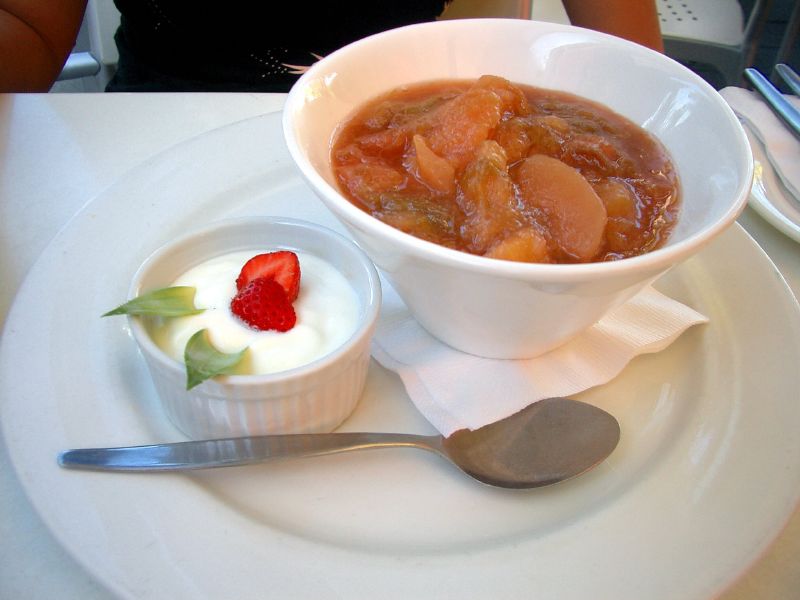
Imagine a spoonful of glistening, jewel-toned fruit, warm and tender, melting on your tongue with a harmonious blend of natural sweetness and subtle spice. This delightful culinary experience is none other than fruit compote, a dish that has charmed palates for centuries. Far more than just a simple fruit preparation, fruit compote boasts a rich and fascinating history, transitioning from a medieval necessity and royal indulgence to a modern, versatile delight cherished across cultures.
Its enduring appeal lies in its fundamental simplicity and remarkable adaptability. Whether you're a culinary history enthusiast or simply looking for a wholesome and delicious treat, understanding the journey of fruit compote reveals a tapestry of tradition, innovation, and timeless flavor.
A Journey Through Time: The Ancient Roots of Fruit Compote
The story of fruit compote begins not in a modern kitchen, but in the bustling, often challenging, culinary landscape of medieval Europe. In an era before the advent of refrigeration, preserving seasonal produce was a critical skill. Cooked fruit was a ingenious solution, and this necessity gave birth to the early forms of fruit compote.
Originally derived from the Latin word compositus, meaning "mixture," and later from the French compôte for "stewed fruit," this dish typically involved simmering whole or pieces of fruit in a sugar syrup. This process not only extended the fruit's shelf life but also transformed its texture and intensified its flavor, making it a highly valued commodity.
Early fruit compotes were anything but pedestrian. Often served to royalty and the affluent, they quickly became a symbol of abundance and sophisticated culinary artistry. Imagine a medieval feast, laden with rich meats and complex dishes; a compote would have offered a refreshing, naturally sweet counterpoint, balancing the meal. Medieval medical theory even lent a hand in its popularity, as it was believed that fruit cooked in sugar syrup helped to balance the body's humors and combat the effects of humidity.
Initially, compote would grace the tables at the beginning of the last course of a medieval feast, sometimes accompanied by a creamy potage. As the Renaissance dawned, its role shifted, often served chilled at the end of dinner, embracing its identity as a standalone dessert. The evolution of fruit compote from a practical preservation method to a celebrated dish served on regal tables underscores its inherent deliciousness and versatility.
From Necessity to Culinary Art: Evolution and Cultural Significance
Over the centuries, the humble fruit compote continued to evolve, adapting to regional tastes and culinary innovations. While its core ingredients remained fruit, sugar, and water, the addition of spices and other flavorings elevated it from simple sustenance to a true culinary art form.
The Spice of Life: Enhancing Flavor
Medieval cooks began to experiment with various aromatic additions to their stewed fruits. The syrup, often the heart of the compote's flavor profile, could be seasoned with a myriad of ingredients: vanilla, strips of lemon or orange peel, warming cinnamon sticks or powder, pungent cloves, or other exotic spices. Later innovations included ground almonds, grated coconut, candied fruit, or raisins, each adding a unique dimension to the dish. Some early 15th-century recipes even called for wine in the syrup, particularly for pear compote, introducing a sophisticated depth of flavor that hinted at future culinary explorations.
A Global Staple: Compote Across Cultures
The inherent simplicity and inexpensive nature of fruit compote made it accessible to a wider demographic. Furthermore, its dairy-free composition made it a staple in Jewish households throughout Europe, where it offered a delicious and permissible dessert option for various dietary laws. This adaptation highlights the dish's ability to transcend cultural and religious boundaries, becoming a cherished part of diverse culinary traditions.
In Eastern Europe, the fruit compote takes on a distinct identity as "kompot." Here, dried fruits are frequently used, not just for the stewed fruit itself, but also for its flavorful syrup, which is often consumed as a refreshing beverage. In Mennonite culture, a dried-fruit compote is lovingly known by its Plautdietch name, pluma moos, further illustrating its deep integration into cultural heritage and shared culinary memory.
Modern variations also include soaking dried fruit in alcohol, such as kirsch, rum, or Frontignan, before simmering, adding a spirited kick and complexity. Interestingly, in modern French cuisine, the term "compote" often refers to an unsweetened fruit purée without chunks, like applesauce, showcasing another layer of evolution and regional interpretation.
The Enduring Appeal: Why Fruit Compote Remains a Modern Delight
Despite its ancient origins, the allure of fruit compote has not faded. In fact, its qualities make it perfectly suited for today's fast-paced, health-conscious lifestyle. It bridges the gap between historical tradition and modern convenience, offering a dish that is both comforting and incredibly versatile.
Simplicity and Speed
One of the primary reasons for its continued popularity is its sheer ease of preparation. A delicious fruit compote can be ready in as little as 15 minutes, making it an ideal choice for busy mornings or spontaneous desserts. You can use almost any fruit you have on hand—fresh, frozen, ripe, or slightly overripe—making it a fantastic way to minimize food waste and enjoy seasonal flavors year-round.
Unparalleled Versatility
The beauty of fruit compote lies in its incredible versatility. It seamlessly transitions between various meal occasions and roles:
- Breakfast Topping: A warm spoonful over oatmeal, yogurt, pancakes, or French toast transforms a simple breakfast into a gourmet experience.
- Simple Dessert: Served warm or cold, perhaps topped with a dollop of whipped cream, a sprinkle of cinnamon, or a scoop of vanilla ice cream, it's an effortlessly elegant dessert.
- Accompaniment: It pairs wonderfully with cheese boards, roasted meats, or even as a flavorful addition to smoothies.
- Healthy Snacking: With control over the amount of added sugar, fruit compote can be a naturally sweet and healthy snack option.
For more ideas on how to incorporate this amazing dish into your routine, explore Easy Fruit Compote: Quick Recipes & Versatile Meal Ideas.
Taste, Texture, and Health Benefits
The taste of fruit compote is simply divine: a harmonious blend of sweet and tart, with a wonderfully soft, slightly jammy texture that melts in your mouth. Furthermore, modern cooks often appreciate the ability to control the sugar content, allowing the natural sweetness of the fruit to shine through. This makes it a more wholesome alternative to many processed sweets, providing essential vitamins and fiber along with exquisite flavor.
Crafting Your Own Culinary Legacy: Tips for the Modern Compote Maker
Embracing the tradition of fruit compote in your own kitchen is a rewarding experience. Here are some tips to help you create your perfect modern delight:
- Fruit Selection: Don't be afraid to mix and match! Apples, pears, berries, peaches, plums, and cherries are all excellent choices. Overripe fruits are perfect as they break down beautifully and offer concentrated sweetness. Frozen fruits work just as well as fresh, offering convenience.
- Balancing Flavors: Start with less sugar and taste as you go. The sweetness of your fruit will dictate how much you need. A squeeze of lemon juice can brighten flavors and add a pleasant tartness, especially with sweeter fruits.
- Spice it Up: Experiment with spices! A vanilla bean, a cinnamon stick, a few cloves, or a pinch of cardamom can dramatically alter the flavor profile. Citrus zest (lemon, orange) adds a fresh, aromatic note.
- Serving Temperature: Fruit compote is delicious both warm and cold. Serve it warm on a chilly morning or as a comforting dessert. Chill it for a refreshing treat on a hot day.
- Storage: Store homemade compote in an airtight container in the refrigerator for up to a week. It also freezes beautifully for longer storage, allowing you to enjoy your favorite fruits out of season.
Ready to get started on your own batch? Discover how to make the perfect blend and explore various additions in Make Delicious Fruit Compote: Simple Steps & Flavorful Variations.
From its origins as a humble preservation method in medieval castles to its current status as a versatile and beloved dish, fruit compote truly embodies a timeless culinary journey. Its ability to adapt, delight, and nourish has cemented its place in kitchens around the world. Whether you appreciate its historical significance or simply its delicious flavor and ease of preparation, fruit compote remains a testament to the enduring appeal of simple, wholesome, and utterly delightful food.
