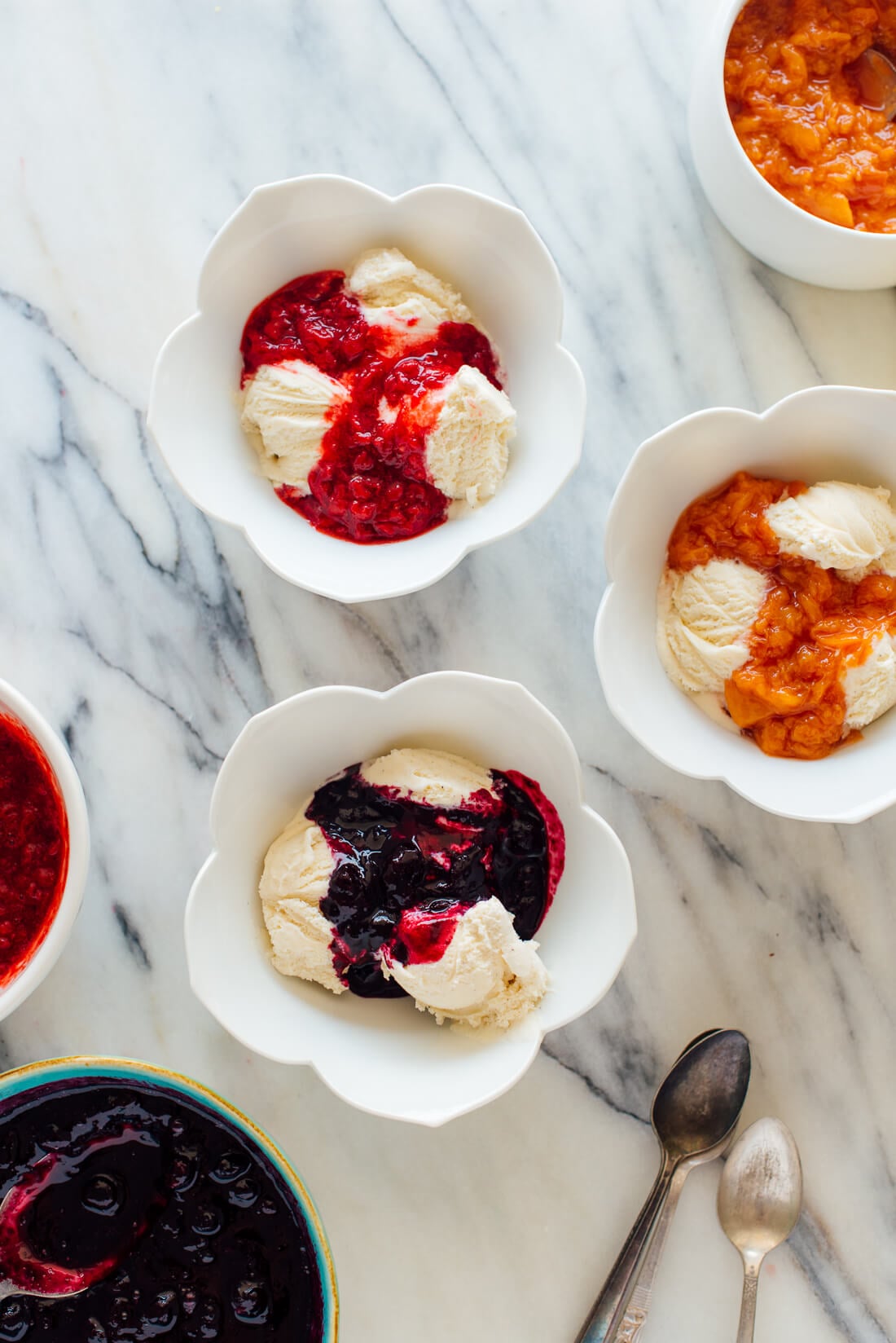
Easy Fruit Compote: A World of Flavor in Minutes
Imagine a spoonful of warm, glistening fruit, bursting with natural sweetness and a hint of spice, melting delightfully in your mouth. This isn't a complex, time-consuming gourmet creation; it's the sheer simplicity and profound satisfaction of easy fruit compote. Forget elaborate desserts or sugary jams; this is pure, unadulterated fruity goodness, ready to elevate any meal in mere minutes. Compote offers a harmonious blend of sweet and tart, with a wonderfully soft, saucy, and slightly jammy texture that truly speaks to the soul.
While we cherish it today for its incredible convenience and taste, fruit compotes boast a fascinating lineage. Tracing its origins back to medieval Europe, it was originally a clever method of preserving seasonal fruits long before the advent of refrigeration. What began as a practical necessity quickly evolved into a culinary delight, often gracing the tables of royalty and the wealthy as a symbol of abundance and culinary artistry. Today, the tradition of enjoying a warm, comforting fruit compote endures, not just for its historical charm, but for its unparalleled versatility and ease of preparation.
What Exactly is Fruit Compote? A Culinary Gem Defined
At its heart, fruit compote (from the French compôte, meaning "stewed fruit") is a simple yet elegant dessert or accompaniment made by cooking whole or pieces of fruit in a sugar syrup. The name itself is derived from the Latin word compositus, meaning "mixture," perfectly encapsulating its essence. The fundamental ingredients are fresh or frozen fruit, a touch of water (or sometimes juice, wine, or even a liqueur), and a sweetener, typically sugar. What truly elevates a basic compote into something extraordinary, however, are the thoughtful additions of spices and flavorings.
Common seasonings often include fragrant vanilla, warm cinnamon sticks or powder, zesty lemon or orange peel, aromatic cloves, and sometimes a hint of nutmeg or star anise. Beyond spices, some variations might incorporate ground almonds, grated coconut, candied fruit, or raisins, adding layers of texture and richness. The beauty of compote lies in its inherent adaptability; you can craft it from virtually any fruit you have on hand, making it a fantastic solution for using up ripe or slightly overripe produce that might otherwise go to waste. The result is a vibrant, saucy creation that can be served either warm or cold, adapting seamlessly to any culinary context.
A Journey Through Time: The Enduring Legacy of Compote
The history of fruit compote is as rich and layered as its flavor profile. Emerging in medieval Europe, compote was primarily a method for preserving fruits, a vital skill in an era without modern refrigeration. During this period, it was considered a sophisticated dish, often served to nobility, symbolizing both luxury and the chef's skill. Beyond mere preservation and delight, medieval beliefs also held that fruit cooked in sugar syrup helped balance the body's humors, specifically counteracting the effects of humidity.
Its role in feasts evolved over centuries. In late medieval England, it might appear at the beginning of the last course or even the second of three, frequently paired with a creamy potage. By the Renaissance, compote had migrated to the end of the meal, served chilled as a refreshing dessert. Its practicality and affordability also made it a staple in Jewish households across Europe, as it was easy to prepare, used inexpensive ingredients, and contained no dairy products, aligning perfectly with dietary laws.
The tradition of compote also holds a special place in Eastern European cultures, where dried fruit variations, known as kompot, are particularly popular. The syrup from these dried fruit concoctions is often enjoyed as a refreshing beverage in its own right. In Mennonite communities, this dried-fruit compote is affectionately known as pluma moos. Interestingly, modern French cuisine often uses the term compote to refer to an unsweetened fruit purée without chunks, similar to applesauce, showcasing its diverse interpretations across different eras and regions. To delve deeper into its fascinating evolution, explore our article on Fruit Compote History: From Royal Treat to Modern Delight.
Why Fruit Compote is Your New Go-To for Flavor and Convenience
In our fast-paced modern lives, convenience often trumps culinary complexity. Yet, with fruit compote, you get the best of both worlds: gourmet taste with minimal effort. Here’s why this humble dish deserves a permanent spot in your kitchen repertoire:
- Unrivaled Versatility: Whether you're planning a hearty breakfast, an elegant dessert, or a unique accompaniment to a savory meal, compote fits the bill. It’s perfect over yogurt, oatmeal, pancakes, or waffles. It transforms a scoop of vanilla ice cream into an instant gourmet treat. It even pairs beautifully with roasted meats or a sophisticated cheese board.
- Health-Conscious Indulgence: Unlike many store-bought jams or pie fillings loaded with excessive sugar, compote allows you to control the sweetness. You can reduce the added sugar significantly, relying on the natural sugars of ripe fruit. It provides beneficial fiber and vitamins from the whole fruit, making it a much healthier alternative to highly processed toppings.
- Effortless Preparation: From stovetop to table, a delicious compote can be ready in as little as 15-20 minutes. It's a one-pot wonder requiring minimal cooking skills. You can make a batch ahead of time, store it in the refrigerator for up to a week, and warm it up as needed, saving precious time during busy mornings or evenings.
- Waste Reduction: Compote is a brilliant solution for salvaging fruit that's a little too ripe for snacking but still perfectly good. Those slightly bruised apples, soft berries, or overripe peaches can be transformed into a delectable treat, reducing food waste and saving you money.
- Endless Customization: With compote, your kitchen becomes a flavor laboratory. Experiment with different fruits, spices, and liquid bases to create bespoke creations that cater exactly to your taste preferences.
Crafting Your Perfect Compote: Quick Recipes & Flavorful Variations
Making a delicious fruit compote is incredibly straightforward, empowering even novice cooks to achieve impressive results. The basic process is simple, but the possibilities for customization are endless. Here’s a foundational recipe and some ideas to inspire your culinary creativity:
Basic Fruit Compote Recipe (Yields about 2 cups)
Ingredients:
- 2 cups chopped fresh or frozen fruit (berries, apples, pears, peaches, plums, mixed fruit)
- 1/4 cup water, orange juice, or apple juice (or a splash of wine/liqueur for adults)
- 1-3 tablespoons granulated sugar (adjust to your fruit's sweetness and your preference)
- 1/2 teaspoon vanilla extract (optional)
- A pinch of cinnamon, a small cinnamon stick, or a few lemon/orange zest strips (optional)
Instructions:
- Combine Ingredients: In a medium saucepan, combine your chosen fruit, liquid, sugar, and any spices (except vanilla).
- Simmer Gently: Bring the mixture to a gentle simmer over medium heat, stirring occasionally.
- Cook Until Tender: Reduce the heat to low and continue to simmer for 5-15 minutes, or until the fruit has softened to your desired consistency and the liquid has slightly thickened into a jammy sauce. Cooking time will vary depending on the fruit. Softer fruits like berries will cook faster than harder fruits like apples or pears.
- Finish & Serve: Remove from heat. Stir in the vanilla extract, if using. Taste and adjust sweetness or add a squeeze of lemon juice if you prefer a brighter, more tart flavor. Serve warm or chilled.
Tips for Success:
- Don't Overcook: Keep an eye on your compote. Overcooking can lead to mushy textures and diminish fresh fruit flavors. You want the fruit to be soft but still retain some structure, especially with berries.
- Adjust Sweetness: Start with less sugar than you think you need. You can always add more at the end. Riper fruit will require less sugar.
- Frozen Fruit Advantage: Frozen fruit works wonderfully and can even release more juice, potentially reducing the need for much added liquid.
- Storage: Store leftover compote in an airtight container in the refrigerator for up to 5-7 days.
Flavorful Variations to Explore:
- Spice Enthusiast: Experiment with cardamom pods, a tiny pinch of ground cloves, star anise, or a sliver of fresh ginger for an exotic twist.
- Citrus Brightness: Boost the flavor with a generous amount of lemon, lime, or orange zest. A squeeze of fresh juice at the end can also brighten the overall taste.
- Herbaceous Notes: For a sophisticated touch, add a sprig of fresh rosemary or thyme during the simmering process, removing it before serving. This pairs exceptionally well with stone fruits like peaches or plums.
- Adult Indulgence: Replace some of the water with a splash of kirsch (especially for cherry compote), rum (with pineapple or banana), brandy, or even a dry white wine or Port for a deeper flavor profile. Ensure the alcohol cooks off properly.
- Dried Fruit Delights: For a traditional Eastern European kompot, soak dried fruits (apricots, prunes, cranberries, apples) in water overnight before simmering. The soaking water can be used as the liquid base.
- Nutty Textures: Stir in a handful of ground almonds or shredded coconut during the last few minutes of cooking for added flavor and texture.
Ready to get creative in the kitchen? For even more inspiration and detailed recipes, be sure to check out our guide on Make Delicious Fruit Compote: Simple Steps & Flavorful Variations.
Beyond the Bowl: Versatile Meal Ideas with Fruit Compote
The true magic of fruit compote lies in its extraordinary versatility. It's not just a dessert; it's a dynamic ingredient that can transform ordinary meals into culinary experiences. Here are some innovative ways to incorporate compote into your daily cooking:
Start Your Day Right: Breakfast & Brunch
- Yogurt & Granola Parfaits: Layer creamy Greek yogurt, crunchy granola, and a generous dollop of warm or cold compote for a satisfying and healthy breakfast.
- Oatmeal & Porridge Topping: Stir compote into your morning oatmeal for natural sweetness and a burst of fruit, eliminating the need for extra sugar.
- Pancakes & Waffles: Ditch the overly sweet syrup and top your stack of pancakes or waffles with a vibrant fruit compote for a fresh alternative.
- Toast & Croissants: A spoonful of compote makes a delightful, lighter spread for toast, bagels, or flaky croissants, offering a refreshing change from traditional jams.
Sweet Endings: Dessert Delights
- Ice Cream's Best Friend: This is a classic pairing for a reason! Warm berry or apple compote spooned over a scoop of vanilla bean ice cream is simple perfection.
- Elegant Topping: Elevate cheesecakes, panna cottas, custards, or simple sponge cakes with a beautifully vibrant compote.
- Scones & Biscuits: Serve compote alongside clotted cream and freshly baked scones for a delightful afternoon tea experience.
- Pastry Filling: Use thicker compotes as a filling for tarts, turnovers, or hand pies.
Unexpected Pairings: Savory Sensations
Don't limit compote to sweet dishes. Its balanced sweet-tart profile makes it an excellent accompaniment to savory meals:
- With Roasted Meats: A rich apple or pear compote can beautifully complement roast pork, duck breast, or even a roasted chicken, cutting through the richness with its fruity tang.
- Cheese Boards: Serve a rustic fig or berry compote alongside a selection of cheeses like Brie, goat cheese, or sharp cheddar for an intriguing contrast of flavors and textures.
- Game Meats: Cranberry or sour cherry compote can provide a delightful counterpoint to robust game meats like venison.
Conclusion
From its origins as a medieval preservation technique to its modern status as a versatile kitchen hero, fruit compote stands as a testament to the power of simple ingredients beautifully prepared. It offers an effortless way to infuse natural sweetness, vibrant flavor, and wholesome goodness into almost any meal. Whether you're seeking a quick, healthy breakfast topping, an elegant yet easy dessert, or a unique accompaniment to savory dishes, compote delivers. Its adaptability, ease of preparation, and sheer deliciousness make it an indispensable tool for any home cook. So, embrace the art of compote-making, experiment with your favorite fruits and spices, and discover the endless possibilities this delightful dish brings to your table.
